

Bridging the Gap Between Manufacturing Research and Industrial Production
Georgia Institute of Technology | Atlanta, GA, USA
Key Takeaway
At the Advanced Manufacturing Pilot Facility, Dr. Kyle Saleeby and his team work alongside industry to turn emerging manufacturing concepts into practical production solutions. As a point of contact for companies exploring new technologies, the facility gives industry partners a realistic environment to see, test, validate, and better understand new processes before implementing them in their own production. Supported by hyperMILL® CAD/CAM software and a long-standing partnership with OPEN MIND Technologies, the AMPF develops advanced workflows for hybrid manufacturing, robotic additive systems, automation, and digital manufacturing across aerospace, automotive, energy, and industrial applications.
To develop and validate complex manufacturing concepts, the AMPF uses advanced CAD/CAM, simulation, automation, additive manufacturing, Python-based customization, and digital twin workflows. hyperMILL® supports this work by helping the team program, simulate, verify, and optimize highly customized manufacturing systems with confidence.
Together with OPEN MIND, the AMPF can evaluate new processes before industrial implementation, reducing risk for industry partners while helping prepare students for real-world manufacturing challenges.
“One of the reasons we like partnering with OPEN MIND is that we come up with weird, strange, unusual ideas — and they take it seriously.”
Dr. Kyle Saleeby, Research Faculty Member, Georgia Tech Manufacturing Institute
From Curiosity to Manufacturing Innovation
Growing up near Eglin Air Force Base in Florida, Dr. Saleeby was surrounded by mechanics, equipment, and hands-on problem solving from an early age. Some of his earliest engineering lessons came while working on his father's boat. Dr. Saleeby quickly learned the importance of understanding how systems work by taking apart, repairing, and reassembling outboard engines. Working on boats and engines sparked a curiosity that eventually led him to study Mechanical Engineering at MIT before earning both his master's degree and PhD at Georgia Tech.
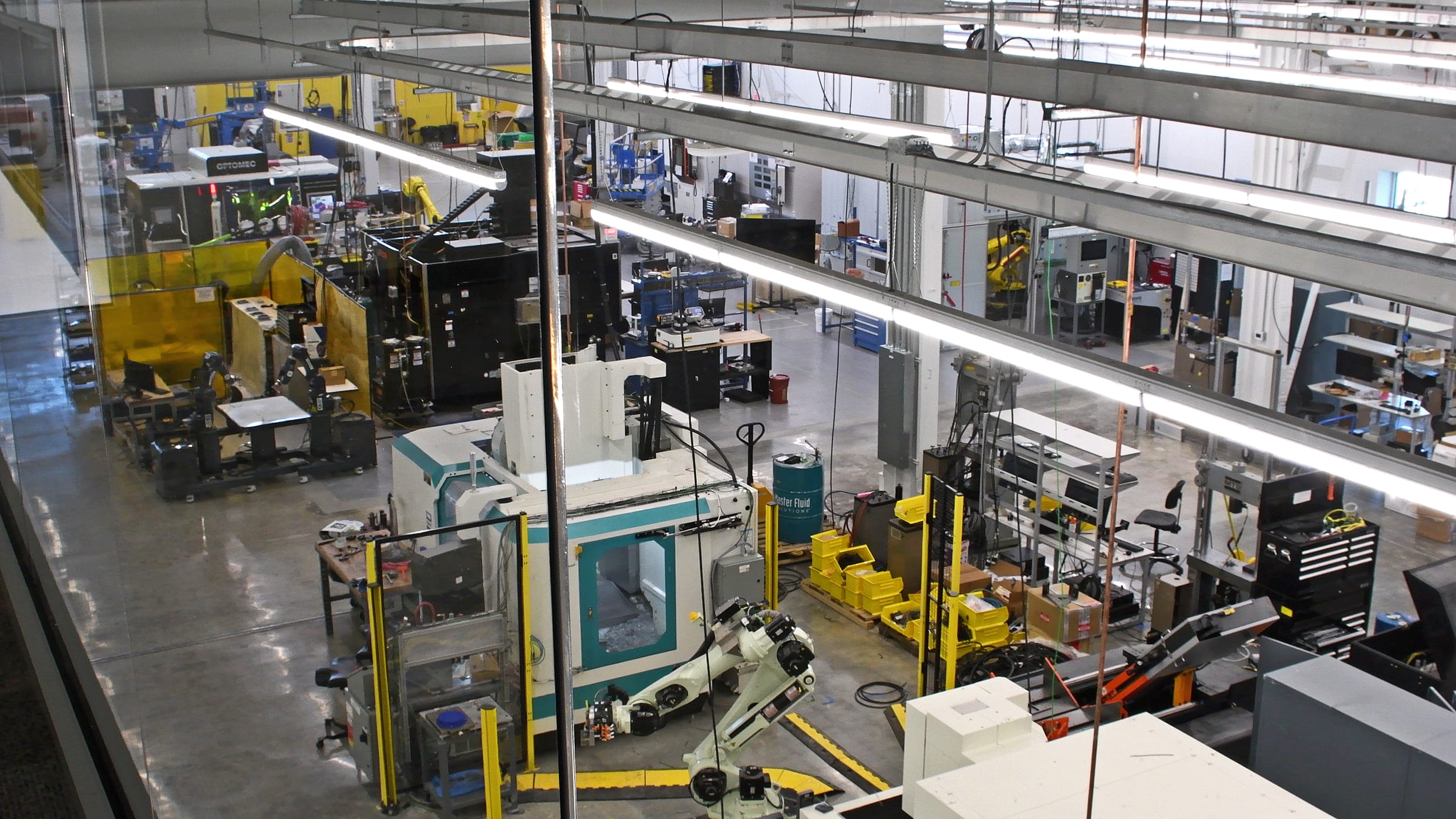
GT Advanced Manufacturing Pilot Facility
Having been involved with the AMPF since “day one, when the first machine was placed,” Dr. Saleeby remembers the ambition behind the facility from the very beginning: “The idea was to build a place where advanced manufacturing research could grow into something truly leading, not just for Georgia Tech, but for the wider manufacturing community.”
That vision has become reality. Dr. Saleeby has helped shape the AMPF into one of North America's leading centers for manufacturing research.
Today, he leads projects that challenge traditional approaches to manufacturing.
These projects often involve custom machines, unconventional manufacturing processes, and applications that “push beyond traditional manufacturing boundaries,” explains Dr. Saleeby. Success requires a technology partner willing to tackle challenges that often have no established solution, as well as innovators who continuously push the limits of what is possible.
Dr. Saleeby has played a key role in driving that innovation, helping the facility evolve its capabilities while expanding its impact across industry and academia.
The collaboration between OPEN MIND's technical team and Georgia Tech researchers has allowed the team to pursue ambitious ideas with confidence. Together, they combine advanced software capabilities, technical expertise, and a shared commitment to innovation to transform unconventional concepts into real-world manufacturing solutions.
Turning Unusual Ideas into Manufacturing Solutions
“The partnership originally began through hybrid manufacturing development projects involving MAZAK systems”, explains Dr. Saleeby. Since then, the relationship has expanded into robotic additive manufacturing, advanced simulation workflows, automation strategies, Python-based customization, collision avoidance systems, and digital manufacturing process control.
According to him, one of the biggest strengths of the relationship is OPEN MIND's willingness to support unconventional ideas. "Whenever we come up with weird, strange, unusual ideas the experts from OPEN MIND take it seriously. And they really appreciate working together with us on those ideas and finding solutions."
That open-mindedness has enabled Georgia Tech researchers to push manufacturing systems far beyond traditional applications.
Throughout the AMPF, the software empowers students and researchers to program, simulate, validate, and optimize highly customized manufacturing systems while maintaining process reliability and collision safety.
The integration of simulation and verification is particularly critical in a research environment where no two projects are the same. This makes it all the more important to have a CAD/CAM system you can trust. “When we set up hyperMILL® VIRTUAL Machining, we can generate, verify, and simulate the NC programs before they reach the machine,” Dr. Saleeby explains. “That way, we know the process is going to operate correctly and can avoid costly machine crashes.”
For Dr. Saleeby, it is why partnering with the right technology matters. It not only enables researchers to pursue ambitious manufacturing concepts with confidence, but, “The students get to see real-world software and work on real-world problems."
That combination of technology, education, and industry collaboration continues to be one of the strongest outcomes of the partnership.
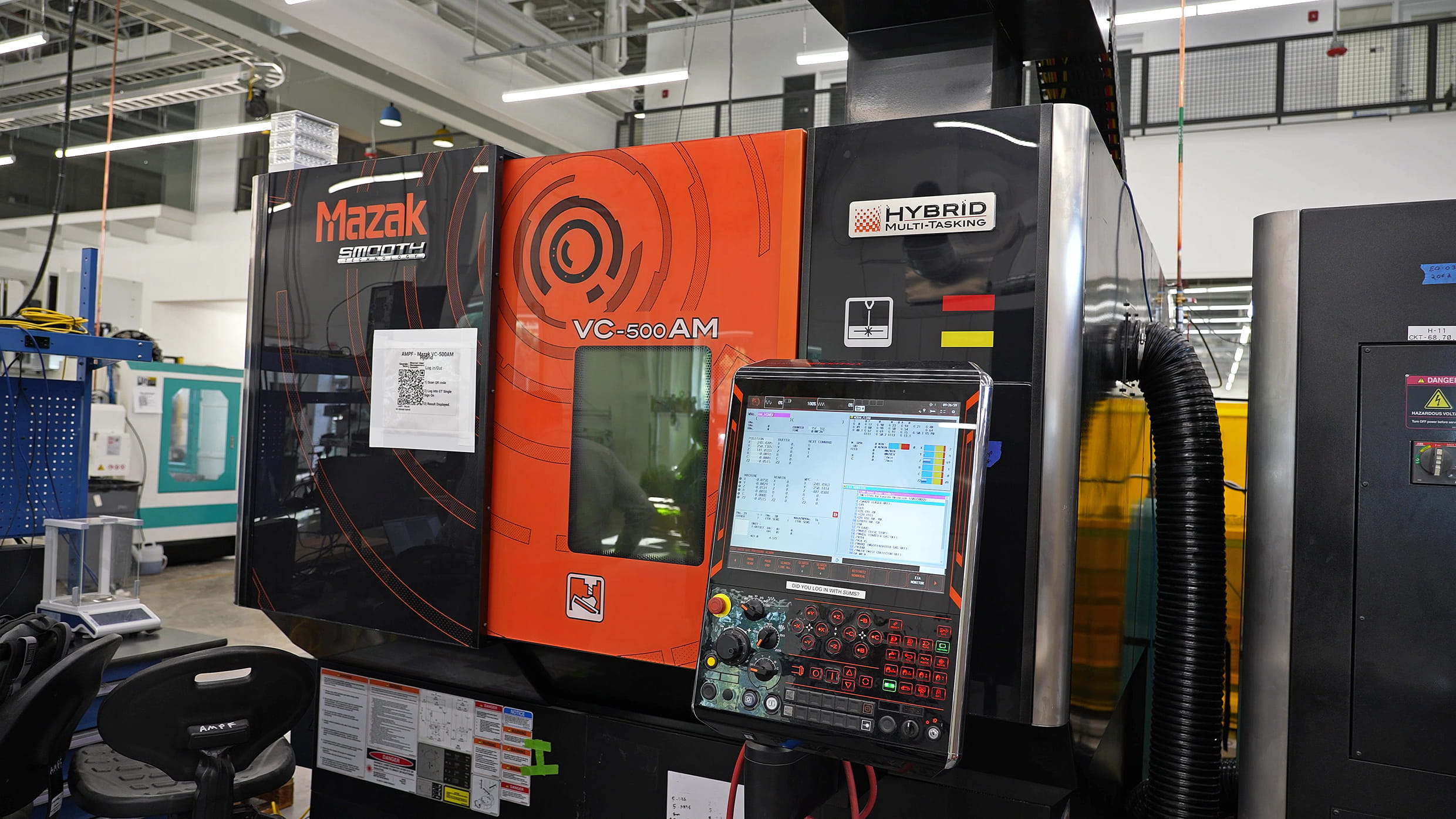
Mazak Hybrid system for 5 axis DED printing and machining
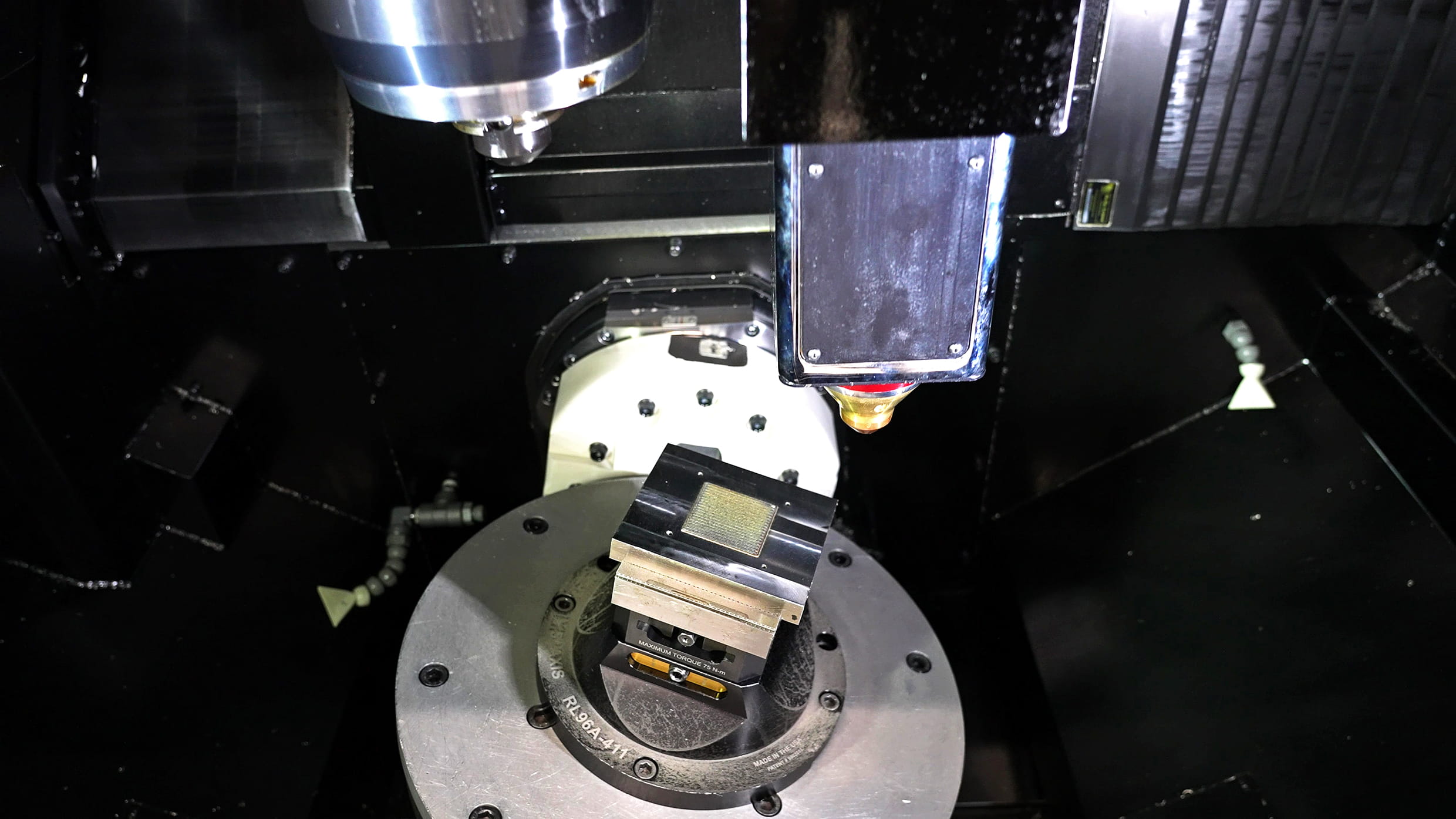
Interior of Mazak Hybrid system
Preparing the Next Generation for Real-World Manufacturing
Dr. Alan Burl, a Georgia Tech graduate and former research assistant, represents the next generation of manufacturing engineers.
Working closely alongside Dr. Saleeby at the AMPF, Dr. Burl served as technical lead on numerous production initiatives, including hybrid manufacturing systems, industrial repair applications, additive and subtractive manufacturing inside machine tools, and advanced process monitoring systems for the Department of Energy and other organizations.
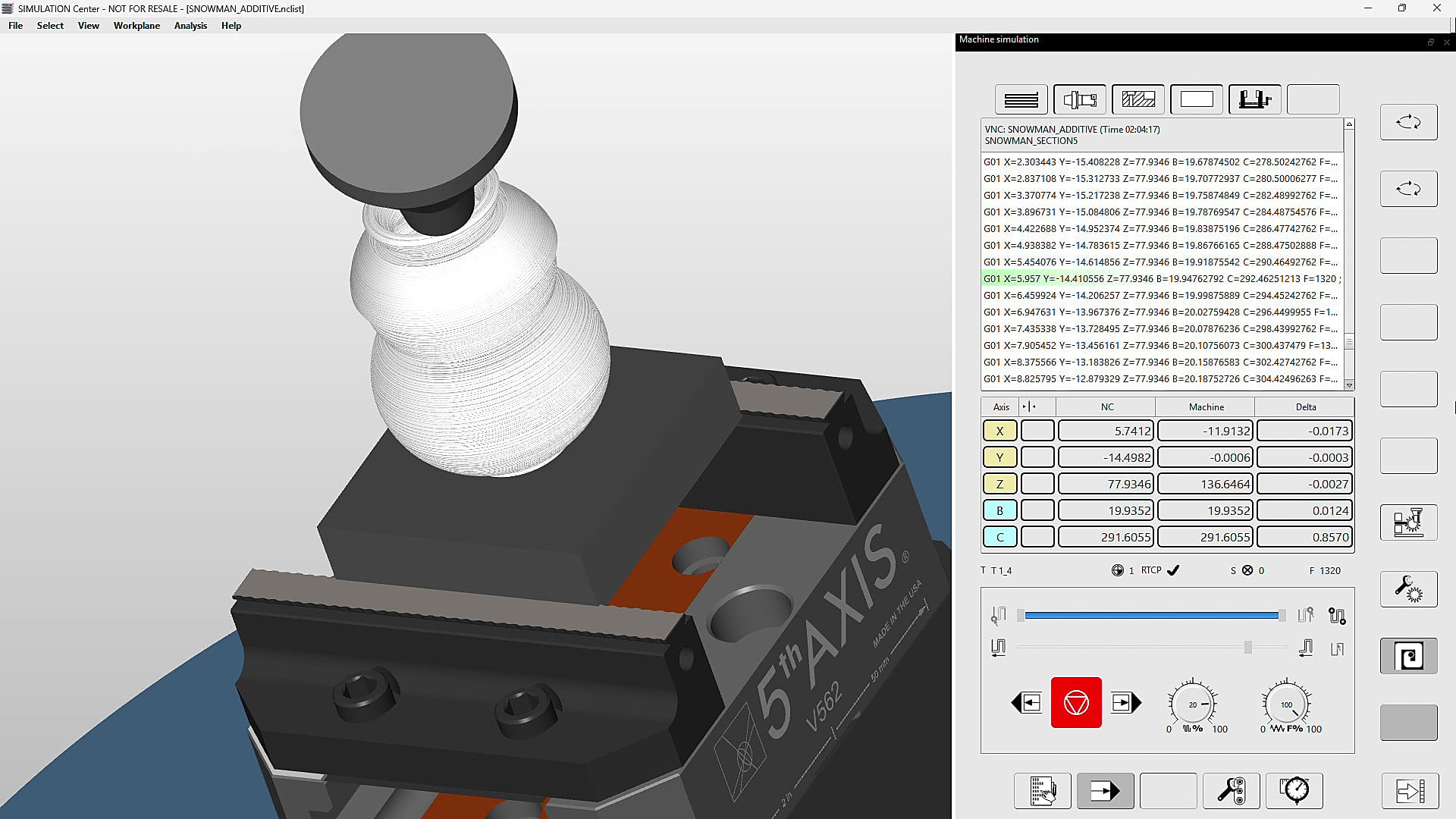
Digital Twin of hybrid process in Mazak system
“Before using hyperMILL®, creating a functional solution often meant switching between several software platforms, and even that did not always get us where we needed to be,” Dr. Burl explains. “hyperMILL® gave us the flexibility to develop workflows that were much closer to the actual requirements of our projects.”
As the facility expanded into simultaneous 5-axis machining, inspection, automation, and hybrid manufacturing, it became clear that a more capable CAD/CAM solution was needed.
By implementing hyperMILL®, Dr. Burl and his team were able to unify the entire manufacturing workflow from scanning a component to generating additive toolpaths—within a single environment. The entire lifecycle of a component could now be tracked through a complete digital twin rather than managed across multiple disconnected software platforms.
Working closely with OPEN MIND to develop postprocessors for machine tools that according to Dr. Burl, "nobody had really run before", allowed the team to create manufacturing solutions that were, and in Dr. Burl’s words, "nearly perfect every time."
One of the most valuable capabilities for the team has been hyperMILL® additive turning cycle, which Dr. Burl notes "had never before been possible with another CAM solution."
The technology made it possible to generate varying wall thickness within a single continuous 3D toolpath, delivering significant benefits in both material properties and machine throughput.
This dramatically reduced cycle times while giving students a unique opportunity to experiment with manufacturing systems and explore ideas that previously would not have been possible.
Training and developing the next generation of manufacturing engineers remains one of Dr. Saleeby's biggest motivations. “We are facing real workforce challenges in manufacturing, and one of the most powerful answers is inspiration. When students see what's possible with these technologies, they want to get involved.”
Dr. Alan Burl's hands-on involvement in advanced manufacturing research reflects that mindset. He developed the knowledge and experience that prepared him for a career solving real-world engineering challenges.
Pushing Manufacturing Beyond Traditional Boundaries
The AMPF focuses heavily on solving real-world industry challenges through production technologies and automation systems.
One of the facility's most significant developments is Georgia Tech's fully custom laser hot-wire additive manufacturing system, designed, and commissioned entirely in-house.
The robotic platform combines a six-axis robotic arm with a laser-based additive manufacturing head capable of processing difficult materials such as titanium, aluminum, and aerospace-grade alloys.
The system provides researchers with access to high-frequency process data, enabling advanced monitoring, adaptive process control, and next-generation manufacturing research.
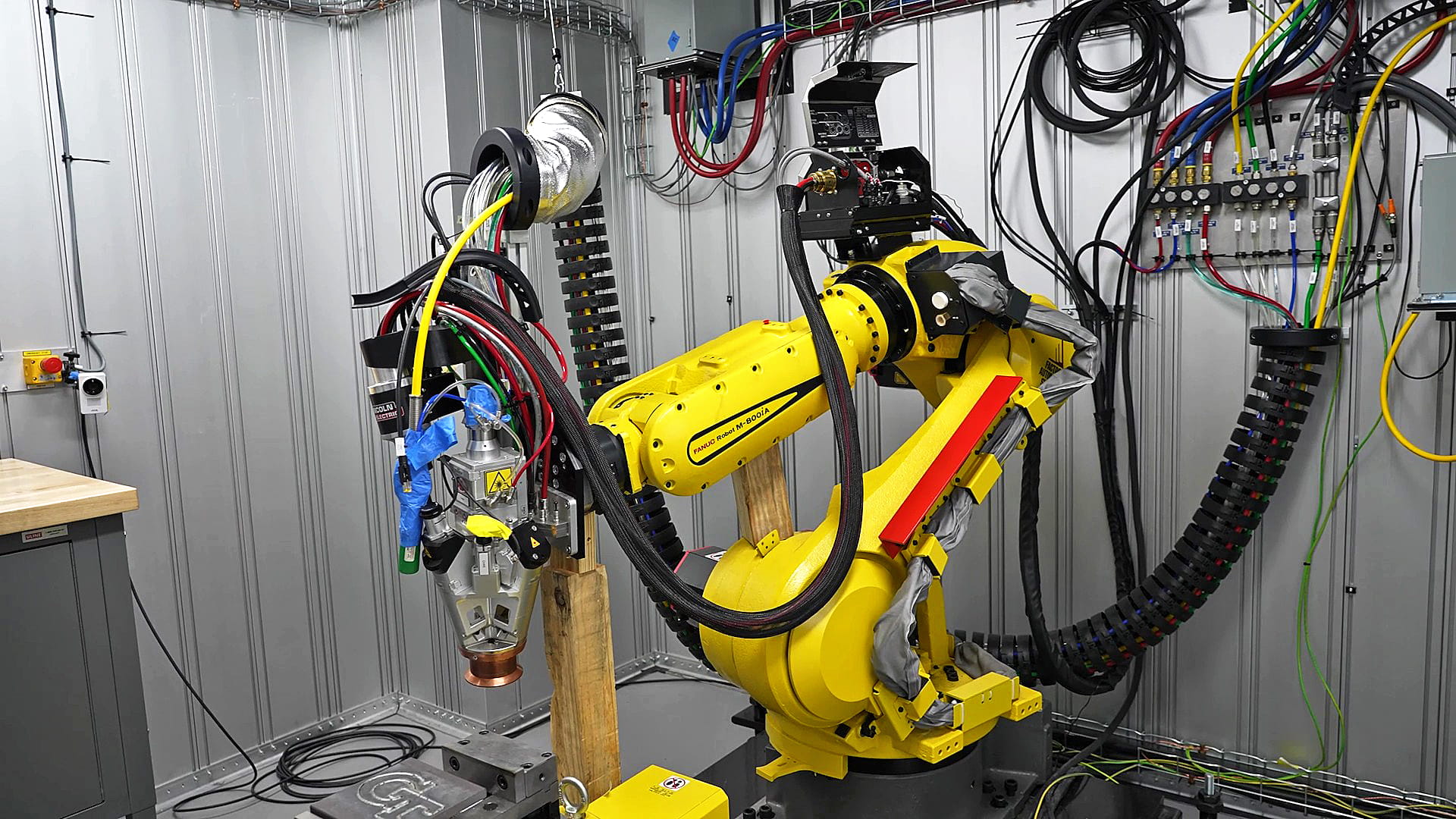
GT integrated Laser Hot Wire system with preheat for Wire Arc Additive Manufacturing
“hyperMILL® gives us a CAD/CAM environment that we can adapt to the way we work as researchers,” explains Dr. Saleeby. “Through its customization capabilities and Python API integration, we can automate collision verification, create adaptive toolpaths, and develop closed-loop manufacturing strategies.”
The facility also develops automation systems designed to solve one of manufacturing's biggest challenges: automating traditionally manual production processes.
Projects include robotic additive manufacturing cells, automated build plate resurfacing systems, advanced simulation workflows, and integrated manufacturing environments that allow industry partners to test and validate emerging technologies before deployment.
“This facility exists to work with industry sectors including aerospace, automotive, medical device manufacturing, and precision engineering. The goal is to give companies a place where they can explore advanced manufacturing technologies, understand their potential, and validate them before bringing them into production,” says Dr. Saleeby.
For him, the mission remains simple: develop technologies that solve real manufacturing problems while helping companies adopt these technologies with confidence and build concepts that are ready for the future.
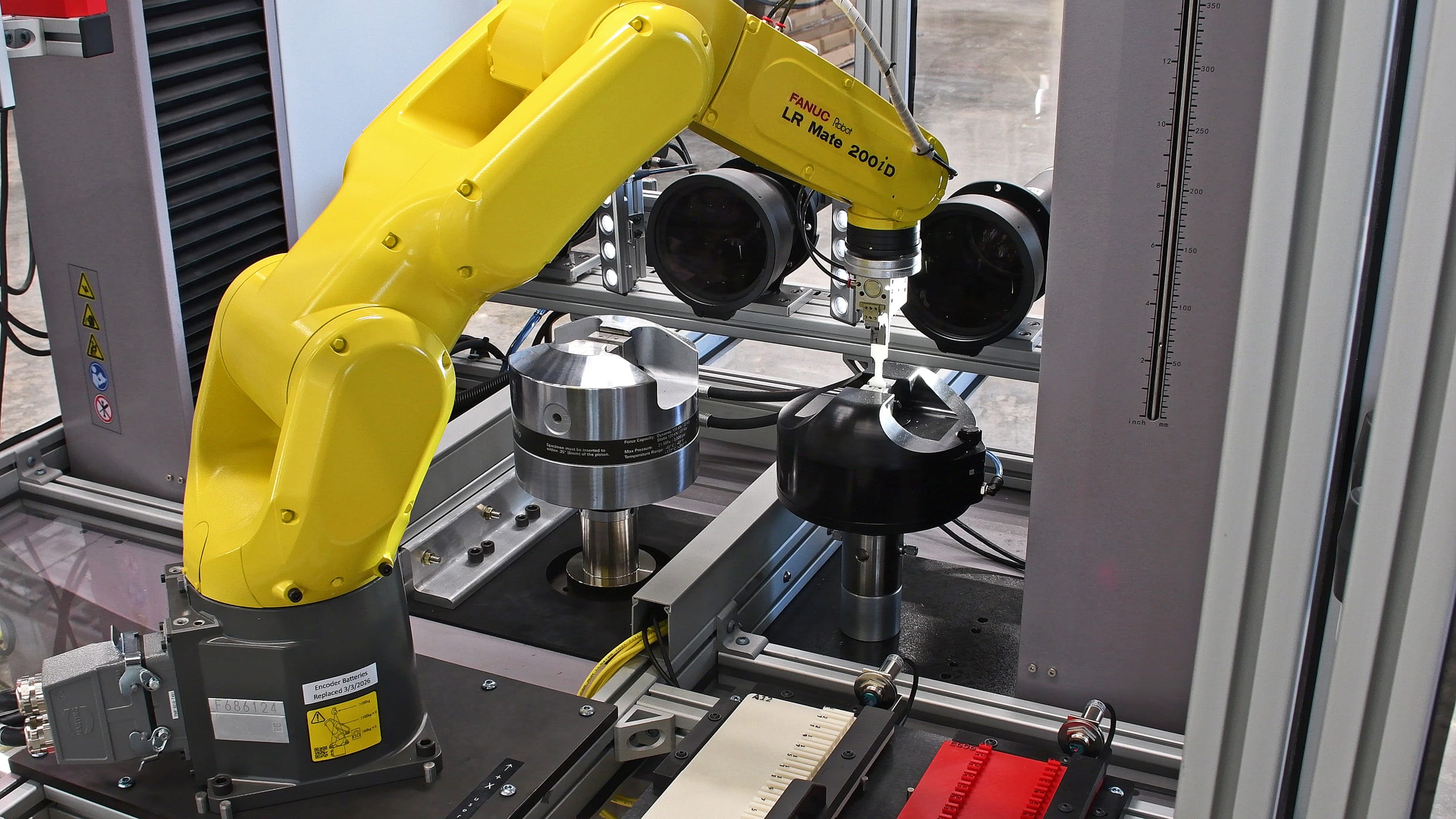
Automated, remotely accessible, MTS tensile testing for metals, polymers, and ceramics
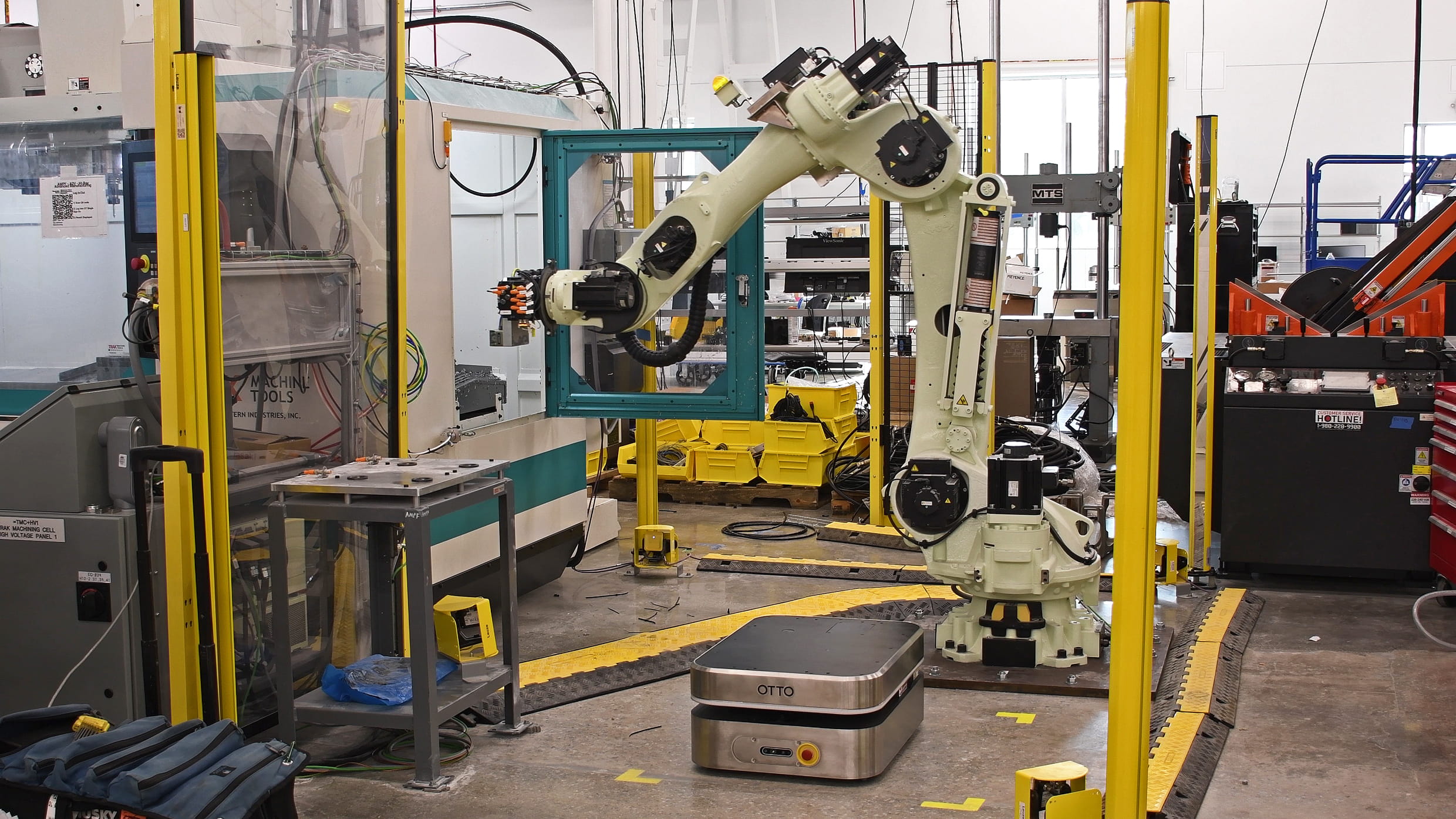
Collaborative integration cell for automated resurfacing of build plates
Solving the Manufacturing Challenges That Come Next
Today, hyperMILL® serves as a foundational technology platform throughout the AMPF.
For Dr. Saleeby and his team, the goal remains unchanged: accelerate the transition of manufacturing innovations from research concepts into real-world industrial solutions.
At the same time, the partnership continues to provide students with hands-on experience using industry-leading technologies, ensuring the next generation of engineers succeed in the workforce.
As manufacturing continues to evolve, Georgia Tech and OPEN MIND remain committed to pushing the boundaries of what is possible—one new challenge at a time.
For Dr. Saleeby, that's what advanced manufacturing has always been about: solving problems that don't yet have answers in the industry.
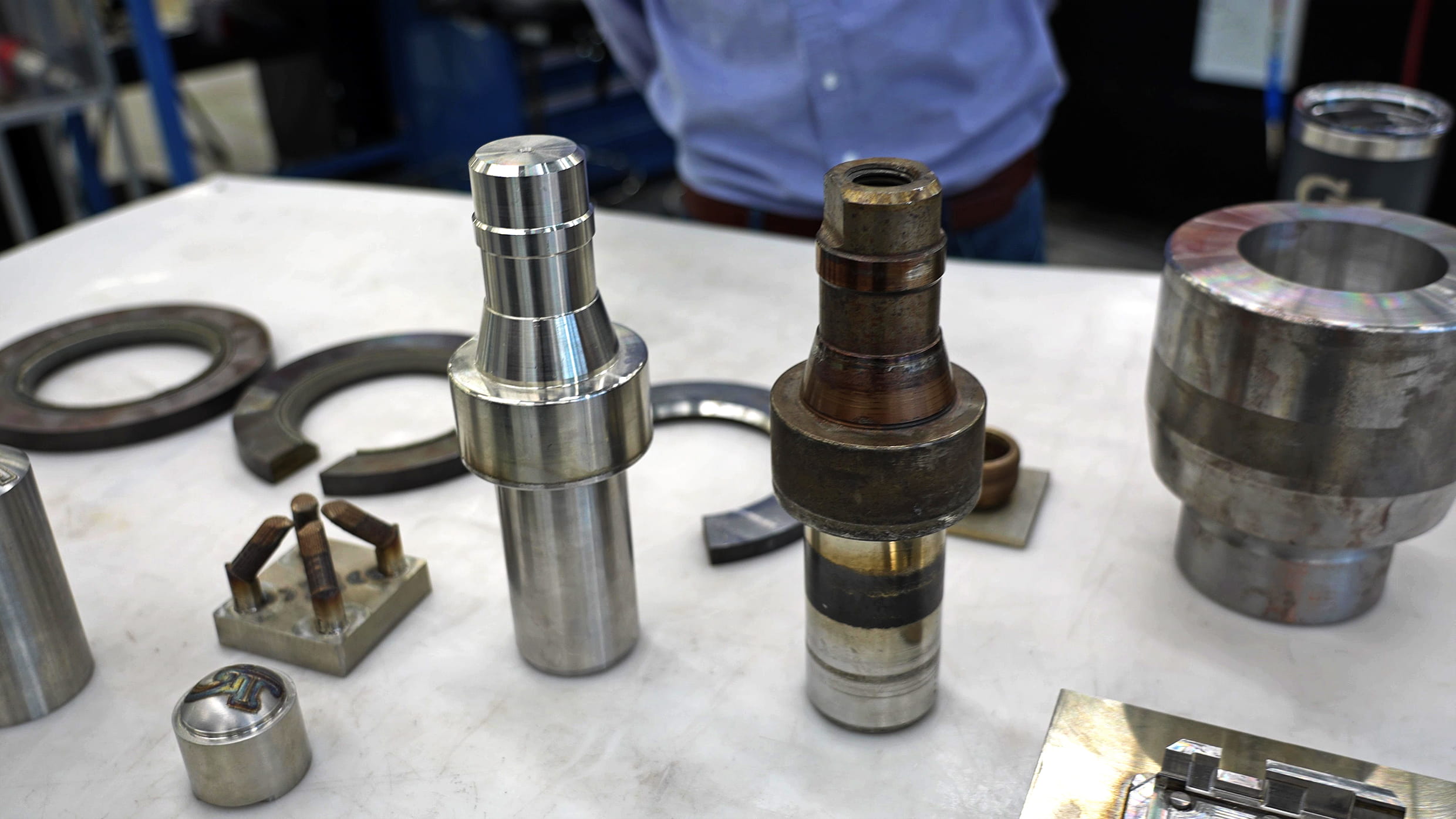
Samples of parts made or repaired using hybrid processes
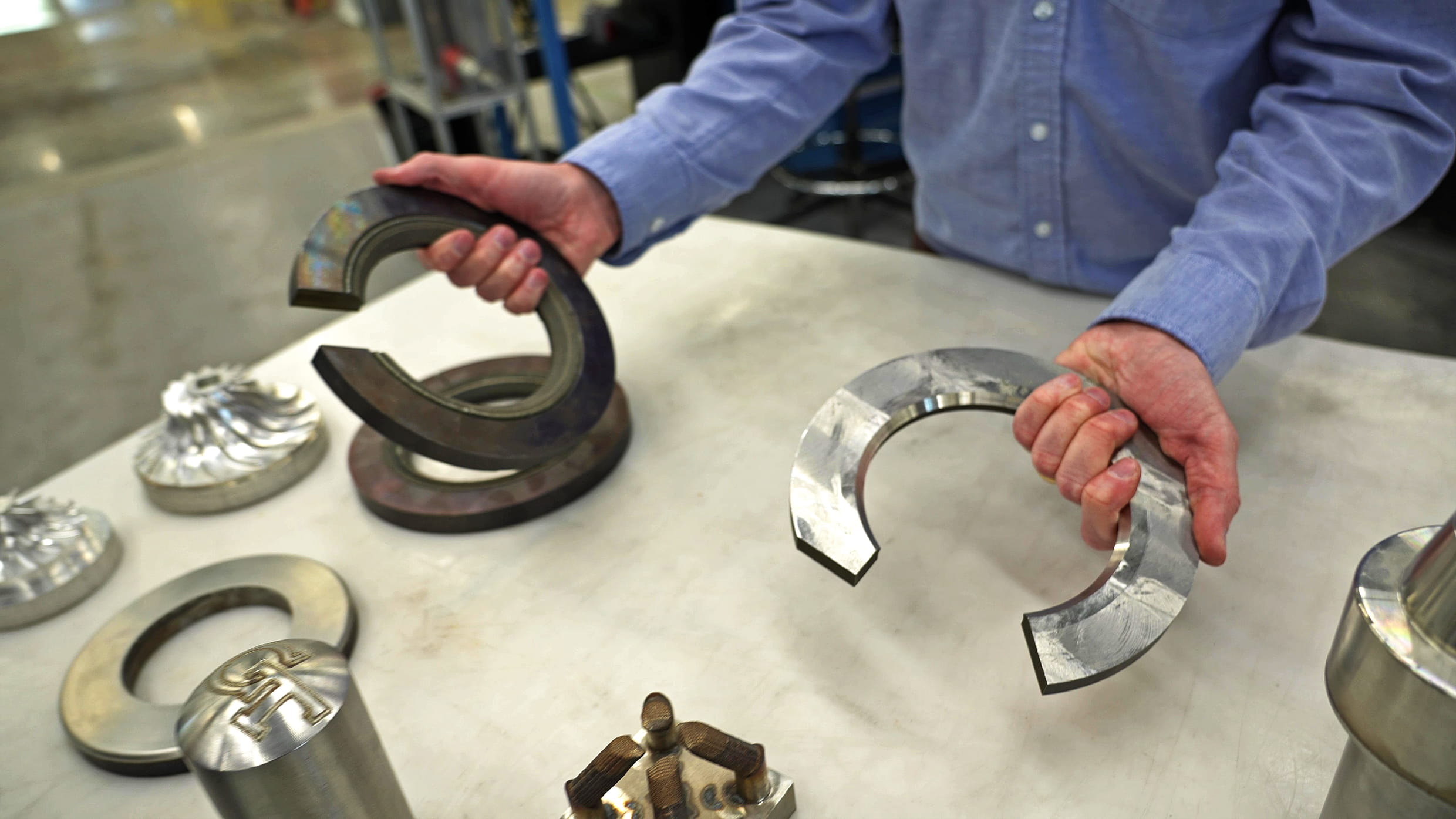
Example of worn condition and refinished to spec part, including harder finish with more lifespan then original design